
Menu
Machu Picchu cusco Tour

¡Machu Picchu Wonder of the World!

Marca Peru Promperu

History of Machu picchu

Peru Travel Guide is a page where you will find travel tips, available services, how to get around in cities, and things to know before traveling to Peru, as well as others practical advice.

Peru is located on the central west coast of south America. Its neighboring countries are: Ecuador and Colombia to the North; Chile to the south; Brasil and Bolivia to the East; and the Pacific Ocean to the West.

It is the thirds largest country in South America, with a surface area of 1 285 215,6Km, distributed approximately in the following manner: 12% coastal territory, 28% Andean highlands and 60% Amazon jungle.

Peru Population

Peru has a population of of some 30 million inhabitants, 7 million of whom live in Lima, the capital of Peru. The coastal strip is home to around 54% of the population; the Andean highlands, where Machu picchu Located, 36%; and the Amazon Jungle, 10%; 70% of Peruvians live in urban areas. Peru is divided into 24 departments, containing a total of 194 provinces, plus the constitutional province of Callao.

Peru Economy

Peru is a country with mining, agricultural, fishing and forestry resources, Its principal exports are mineral (gold, silver, copper, zinc and lead), crude petroleum and petroleum products, fish-meal, cotton, sugar, coffee, as well as unconventional products such as hardwoods from the Amazon.

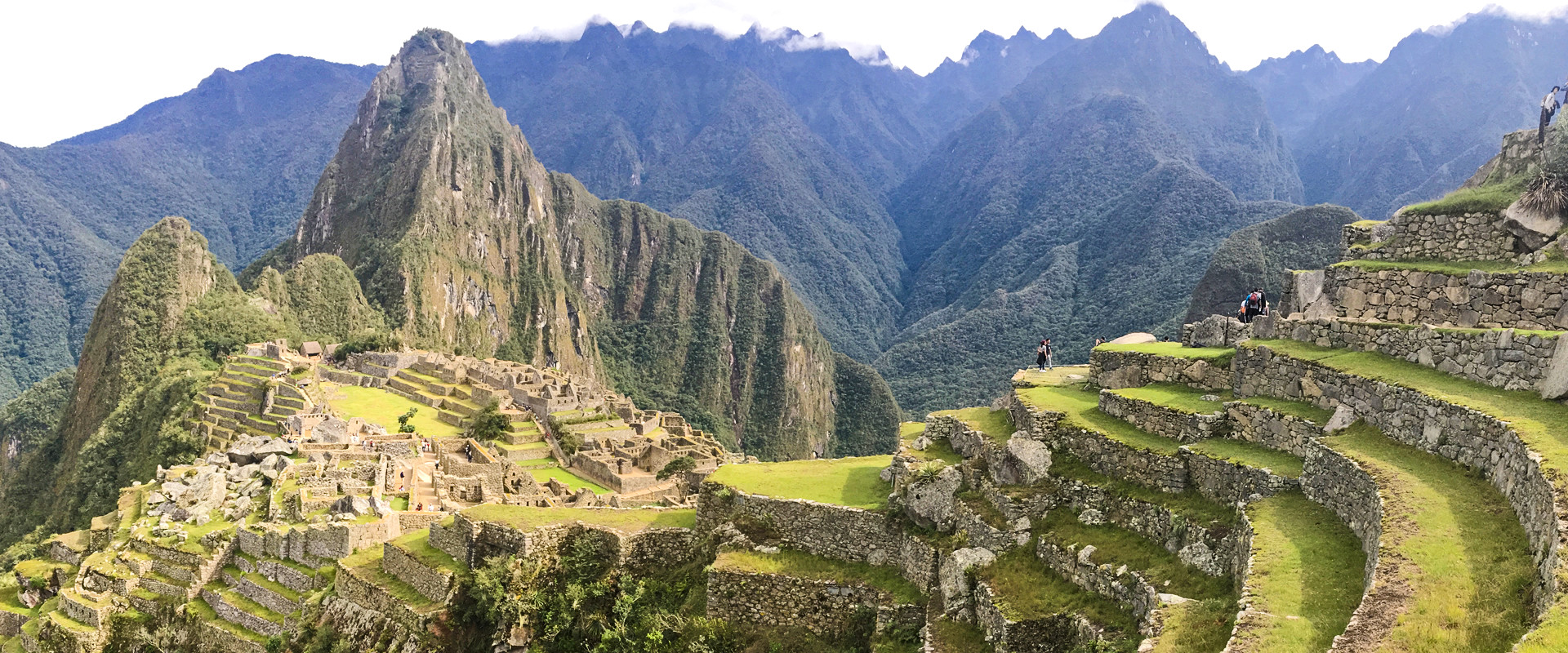
Based on rates of employments, the principal economic activities of the country are mining, tourism, agriculture, manufacturing, the Cusco is the city where tourism is centered, thanks to the History of Machu Picchu and its main tourist attractions.

The economy of Cusco is based on tourism and the main transportation is Cusco to Machu Picchu Train.

Peru Language

The official languages of Peru are Spanish, spoken by 73% of the population, and Quechua spoken by 24% of Peruvians. The majority of Quechua speakers are bilingual and speak Spanish as a second language, as do the Aymara people, whose languaje is spoken primarily on the southern altiplano.

There are also some 55 languages spoken in the Peruvian Amazon as Ashaninka, Aguaruna and Machiguenga.

Peru Religion

The official religion of Peru is the Roman Catholic faith, practiced fervently by to 80% of Peruvians, However, there is freedom of religion in the country and a marked variance in religious practices, particularly throughout the Andes and the Jungle, where the people practice Catholicism in addition to their traditional beliefs generally related to worship of the Earth, called Pachamama and natural phenomena.

Peru Currency and Exchange

Peru’s official currency is NUEVO SOL; its symbol S/. The denominations in circulation are bills of 10,20,50,100 and 200 nuevos soles; coins of 1,2 and 5 Nuevos Soles; and coins of 10,20and 50 centimo, or Hundredths of a nuevo sol.

The foreign currency most readily exchanged in Peru for local money is the United States dollar (us$), commonly used in commercial transactions and in purchasing goods.

Exchange offices abound in the larger cities. It is also possible to exchage money, but do so at a lower rate. The exchange rate fluctuates weekly, but not enough to be significant. Peru does not limit the amount of money you can bring into the country.

Peru Current and Voltage

Electrical current in Peru runs at 220 volts, 60 cycles, The hotels of five stars have 110 volt sockets in guest rooms, but nowadays all the hotels have adapters, although it is advisable to bring an adapter to change flat-pronged plugs to round-pronged plugs.
You like me? !Share it!

Leave us your comment

Connect with us:

Frequently Asked Questions

What is the best time to visit Machu Picchu?

The best time to visit Machu Picchu is during the dry season, from April to October. The weather is generally clear, and it’s ideal for hiking. However, the peak months are June, July, and August, so expect more crowds. If you prefer fewer tourists, consider visiting in the shoulder months, such as April and November, when the weather is still pleasant, and the site is less crowded.

How do I get to Machu Picchu from Cusco?

To reach Machu Picchu from Cusco, you can take a train from either Poroy or Ollantaytambo stations. The train ride offers stunning views of the Sacred Valley and takes approximately 3.5 to 4 hours. Alternatively, for those more adventurous, you can hike the Inca Trail, which takes about 4 days, or take other treks like the Salkantay or Lares treks, which also lead to Machu Picchu.

What is the entry fee for Machu Picchu?

The entrance fee to Machu Picchu varies depending on the type of ticket you choose. The basic entry ticket costs approximately $50 USD, but if you wish to visit the mountain of Machu Picchu or Huayna Picchu, additional fees apply. It’s important to book tickets in advance, as the site has limited daily entry capacity, especially for Huayna Picchu.

Are there any restrictions for visiting Machu Picchu?

Yes, there are a few restrictions at Machu Picchu. Visitors must stay on the designated paths to protect the site’s preservation. Additionally, backpacks are allowed but must be smaller than 20 liters. Large items like tripods, selfie sticks, or large bags are prohibited. Smoking, eating, and drinking alcohol are also not allowed inside the archaeological site.

How long should I stay at Machu Picchu?

The typical visit to Machu Picchu lasts around 3 to 4 hours. This allows enough time to explore the main areas, including the Temple of the Sun, the Inca Bridge, and the terraces. However, if you plan to hike Huayna Picchu or Machu Picchu Mountain, you should allocate an additional 2 to 3 hours. Many visitors also enjoy taking their time to appreciate the panoramic views and the peaceful atmosphere of the site.

What should I bring to Machu Picchu?

It is essential to bring comfortable walking shoes, sunscreen, a hat, and a water bottle. You’ll also need a light jacket or sweater, especially if you’re visiting in the early morning when temperatures can be chilly. If you plan on hiking Huayna Picchu or Machu Picchu Mountain, bring a small backpack with your essentials. Don’t forget your camera to capture the breathtaking views!

Can I hike to Machu Picchu?

Yes, you can hike to Machu Picchu via several trekking routes. The most famous is the Inca Trail, which takes about 4 days and requires advance booking. Other alternatives include the Salkantay Trek, Lares Trek, and the Inca Jungle Trek, which also offer incredible views and a chance to experience the Andes in a more intimate way. If you’re short on time, you can take the train to Aguas Calientes and then hike up to the entrance of the site.

What is the best way to avoid altitude sickness in Machu Picchu?

To prevent altitude sickness, it is recommended to acclimatize to the altitude before visiting Machu Picchu. Spend a couple of days in Cusco or the Sacred Valley to adjust. Drink plenty of water, avoid alcohol, and eat light meals. Some visitors also find it helpful to take altitude medication or chew coca leaves, which are traditionally used to alleviate symptoms of altitude sickness. Moving slowly and taking frequent breaks can also help.

Are there any guided tours available at Machu Picchu?

Yes, there are several guided tours available at Machu Picchu. These are highly recommended for visitors who wish to learn more about the history, culture, and significance of the site. Guides are knowledgeable about the Inca civilization and the archaeological features of the site. Tours can be booked in advance or upon arrival at the site. Some tours include a visit to Machu Picchu Mountain or Huayna Picchu for a more immersive experience.

What else can I do in the Sacred Valley apart from visiting Machu Picchu?

The Sacred Valley offers many other fascinating attractions besides Machu Picchu. You can visit the Inca ruins of Ollantaytambo, the archaeological site of Moray, and the salt mines of Maras. The town of Pisac is famous for its vibrant market and impressive ruins. If you enjoy hiking, there are several trails, such as the trek to the Peruvian village of Huchuy Qosqo. Additionally, the valley is a great place to explore traditional Andean culture and experience the local markets and artisans.