Menu
Machu Picchu Flora and Fauna

Enjoy the Sanctuary of Machu Picchu

Machu Picchu Flora and Fauna

Machu Picchu flora and fauna is renowned worldwide as one of the most significant cultural wonders. However, it is more than just a historical site; it also serves as a wildlife sanctuary that protects its diverse flora and fauna. This area is officially known as the Historic Sanctuary of Machu Picchu.

Established by the Peruvian government on January 8, 1981, the Historic Sanctuary is located in the Machu Picchu district of the Urubamba province, in the Cusco department. Covering an area of 32,592 hectares, it is one of the protected regions with high genetic, biological, and ecological diversity in the world.

The historic sanctuary of Machu Picchu is home to a diverse array of flora and fauna, influenced by several key factors:

  • The Peruvian Andes, whose foothills descend into the Amazon jungle.
  • The climatic stability across its various slopes.
  • The Vilcabamba batholith, a rock massif that covers a large portion of Machu Picchu.
  • The snow-capped mountains surrounding this stunning sanctuary.
  • The rivers that meander through the lower regions and carve deep canyons in the upper areas, including the Torontoy, which serves as an entrance to the sanctuary.
  • Machu Picchu encompasses 14 natural life zones and distinct plant formations, contributing to its rich biodiversity.

Flora in Machu Picchu

Machu Picchu boasts a remarkable variety of flora, categorized into different ecological levels throughout the entire sanctuary. Floral diversity is estimated to range from approximately 2,350 to 3,400 species, with orchids standing out due to their whimsical and beautiful shapes.

In Peru, there are around 1,625 species of orchids, and approximately 600 species have been recorded within the historic sanctuary of Machu Picchu. This enchanting location provides an ideal environment for these extraordinary plants.
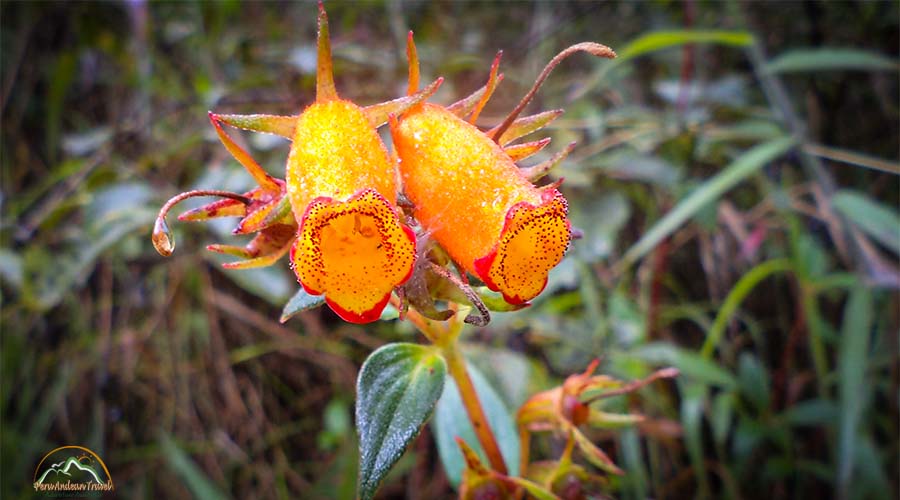
  • Orquideas Machu Picchu 1 "Seemannia sylvatica"Known for their vibrant flowers and resilience.
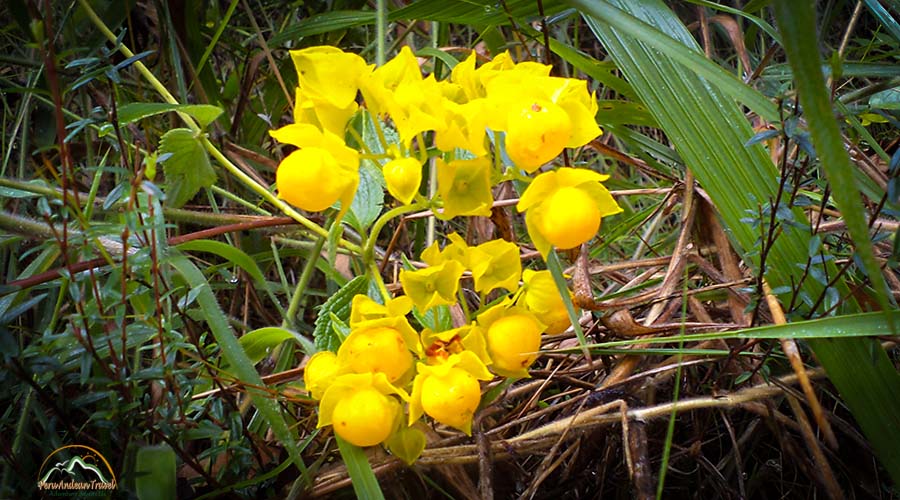
  • Orquideas Machu Picchu 2Zapatito "Calceolaria"Known for their baby boot shape.
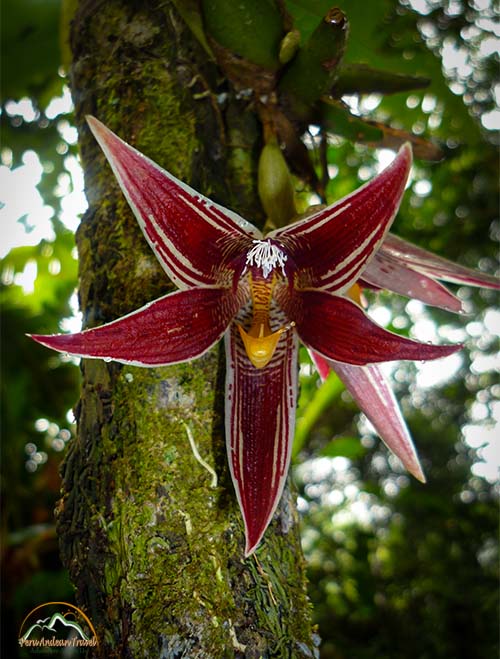
  • Orquideas Machu Picchu 3"Paphinia cristata"Endemic to South America.
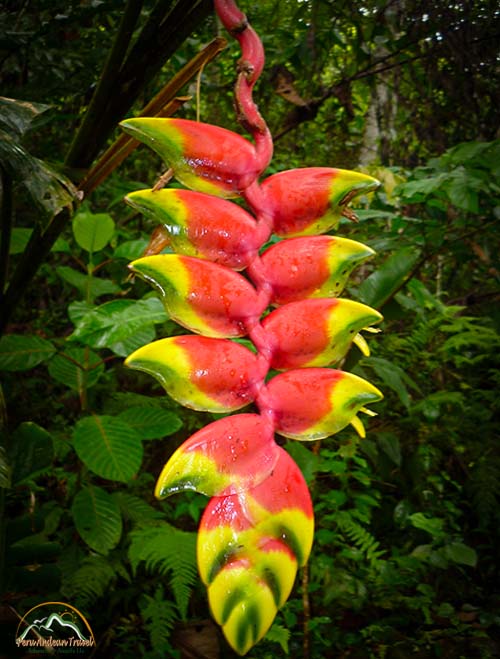
  • Orquideas Machu Picchu 4"Heliconia rostrata"Known as lobster claw.
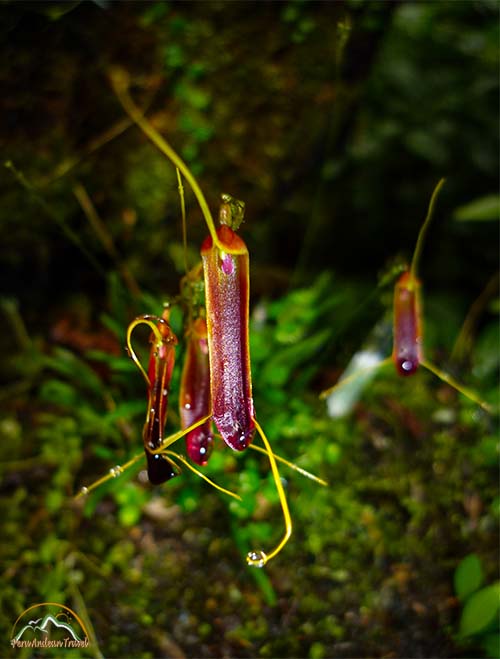
  • Orquideas Machu Picchu 3"#"#.
  • Orquideas Machu Picchu 4"Oreocallis grandiflora"Known as beautiful mountain.
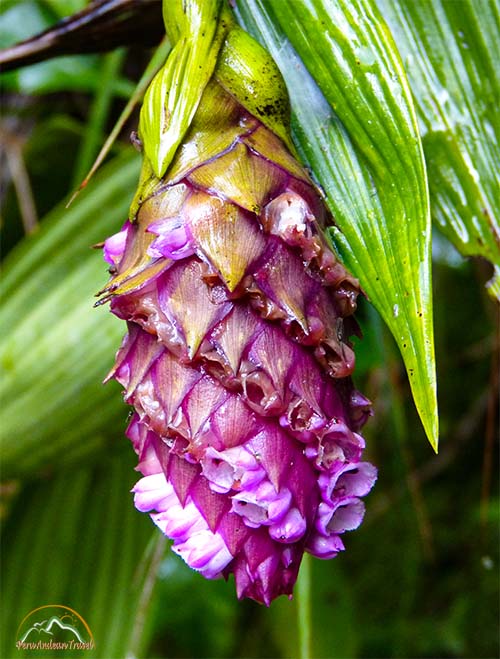
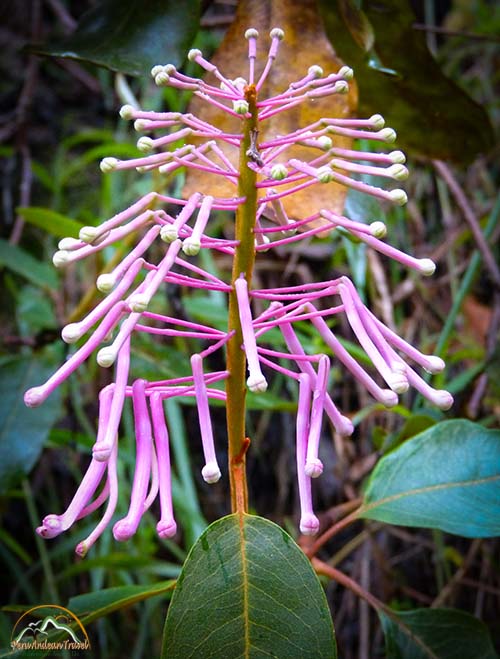
  • Orquideas Machu Picchu 3"Elleanthus amethystinus"They need a lot of humidity.
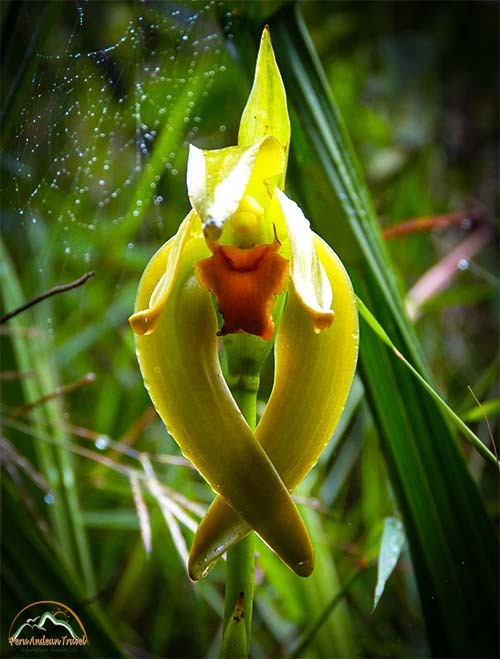
  • Orquideas Machu Picchu 4"Sudamerlycaste gigantea"Consider a giant orchid.
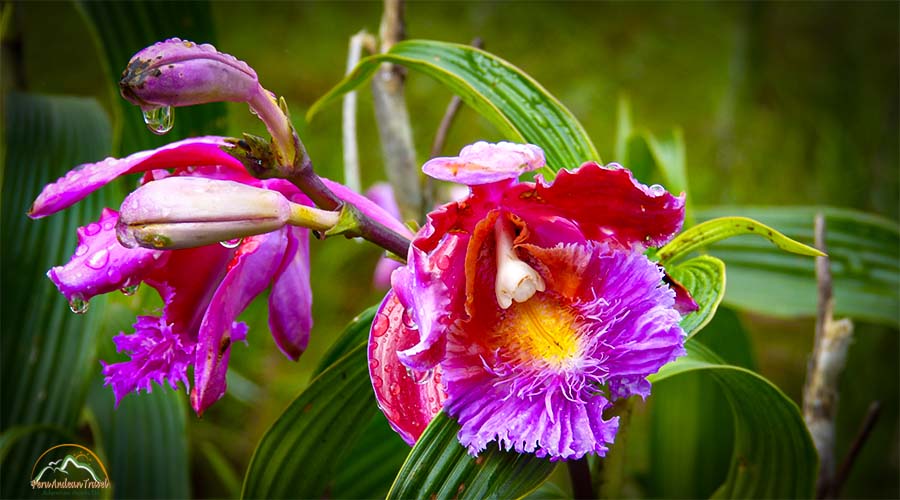
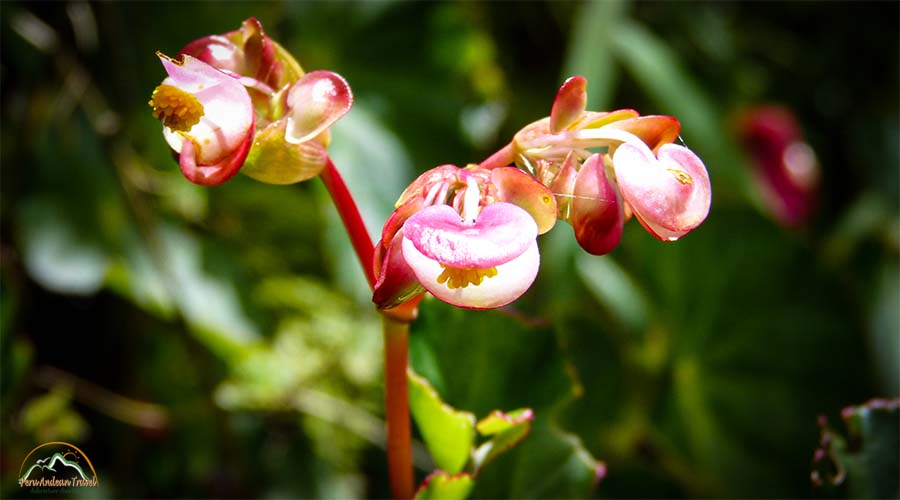
  • Orquideas Machu Picchu 3"Begonia"The Plant of Eternal Spring.
  • Orquideas Machu Picchu 4"Sudamerlycaste gigantea"Consider a giant orchid.
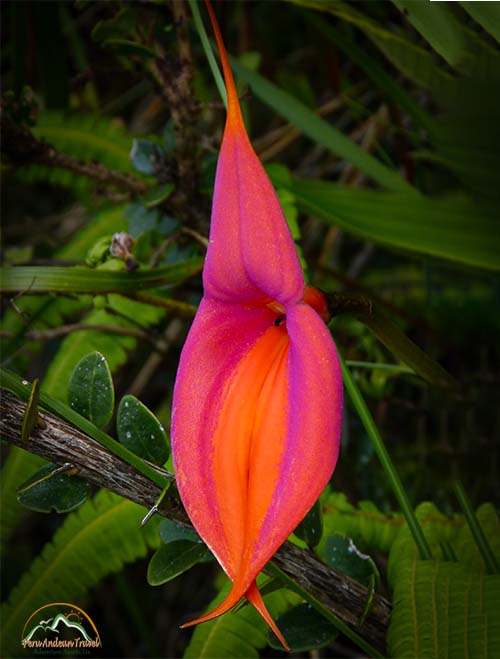
  • Orquideas Machu Picchu 3"Masdevallia veitchiana"Common name Waqanki "you will cry".
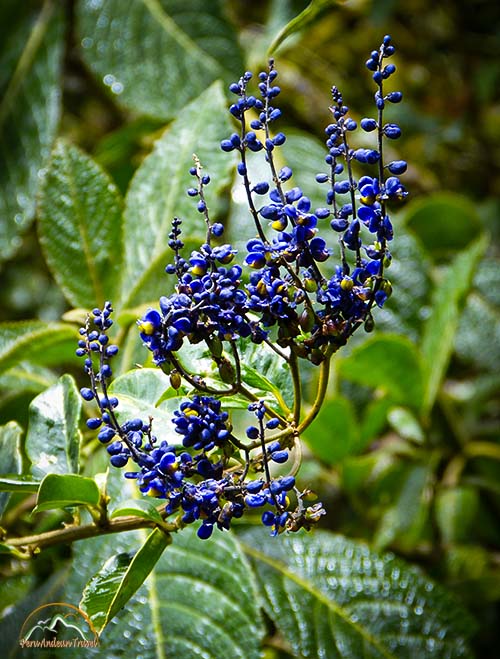
  • Orquideas Machu Picchu 4"Monnina aestuans"Common name "Tintillo"

Fauna in Machu Picchu

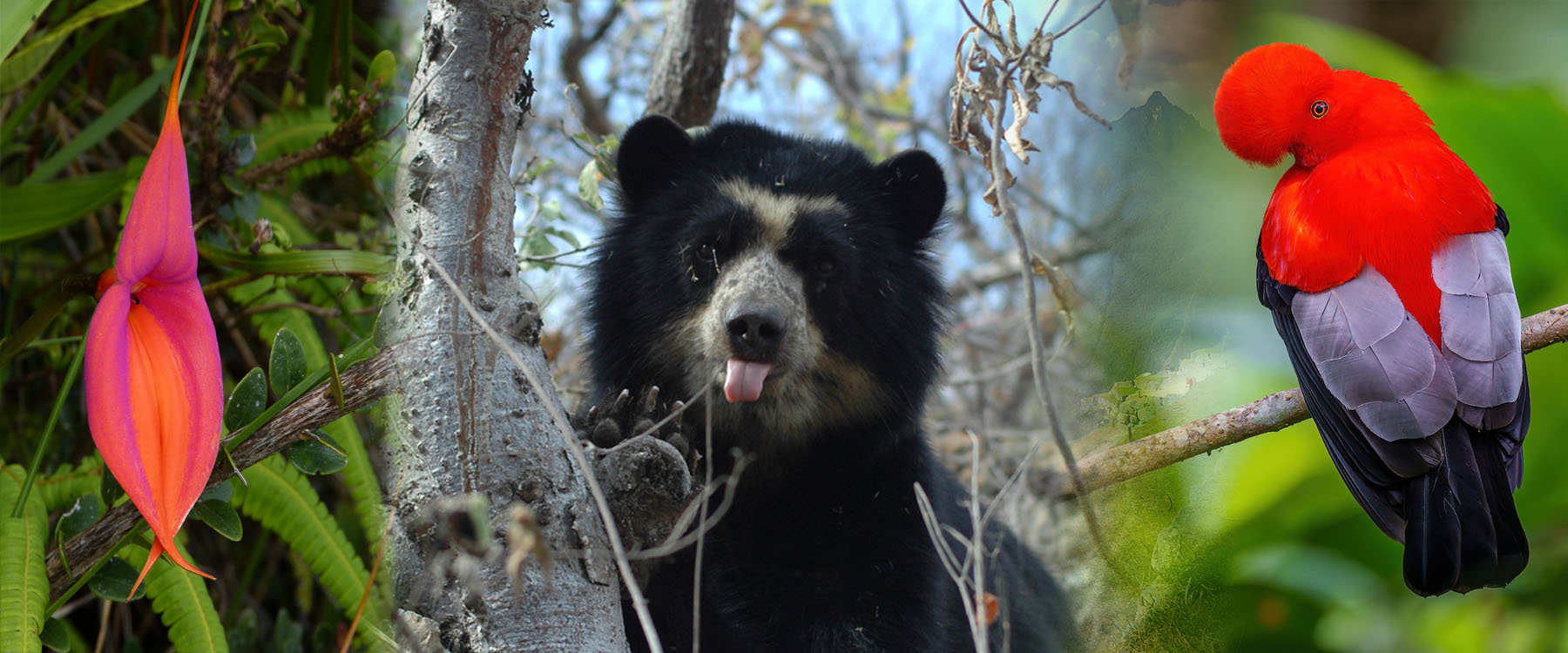
In the vast area of the historic sanctuary of Machu Picchu, you can discover a diverse range of wildlife, including birds, mammals, reptiles, and more. Thanks to the Peruvian government, these species are protected within this expansive area.

Here are some notable statistics about the wildlife in Machu Picchu:

  • Mammals: Approximately 70 species.
  • Birds: 423 species.
  • Reptiles: 23 species.
  • Amphibians: 15 species.
  • Fish: 8 species
  • Butterflies: 377 species.

This rich biodiversity highlights the importance of preserving the natural environment of Machu Picchu.
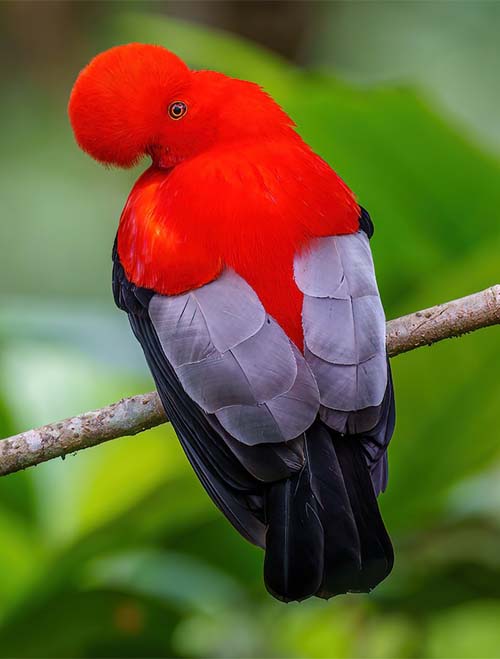
  • Fauna de Machu Picchu"Rupicola peruvianus"Cock-of-the-rock.
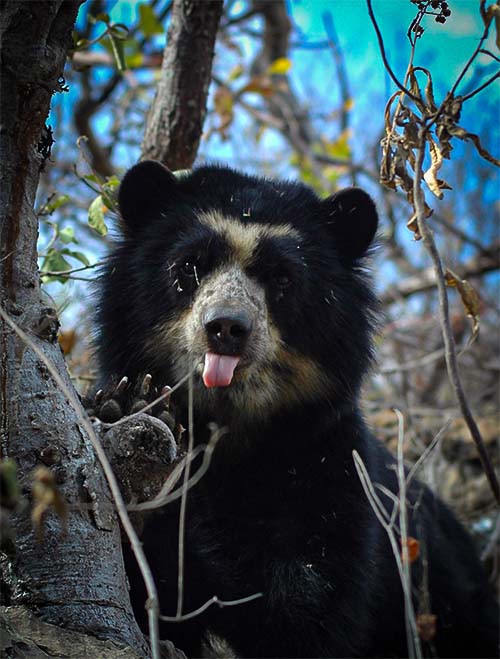
  • Fauna de Machu Picchu"Tremarctos ornatus"Andean spectacled bear.
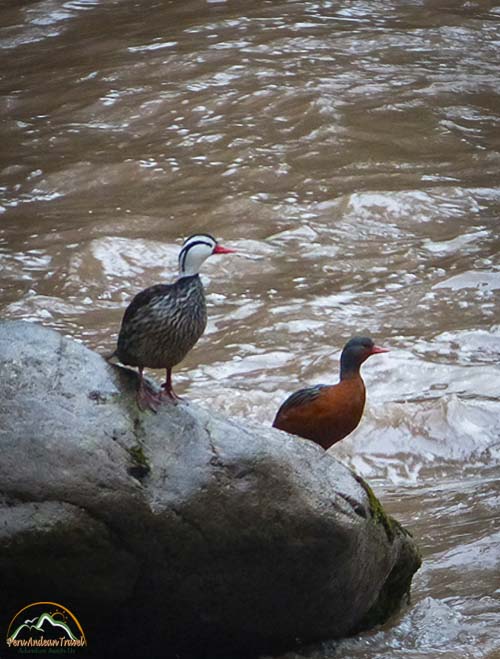
  • Fauna de Machu Picchu"Merganetta armata"Torrent duck.
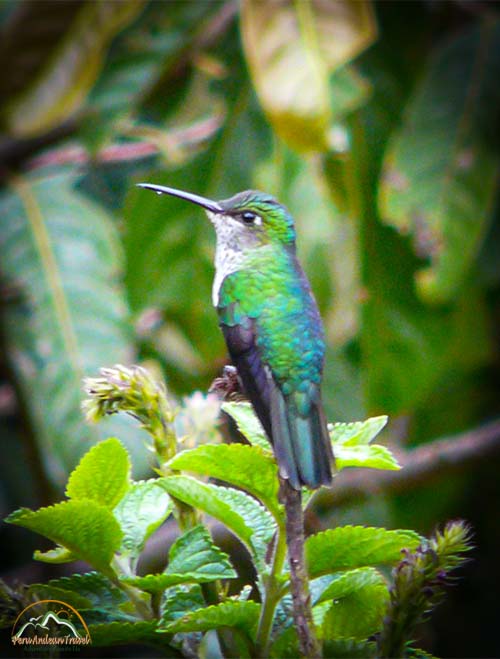
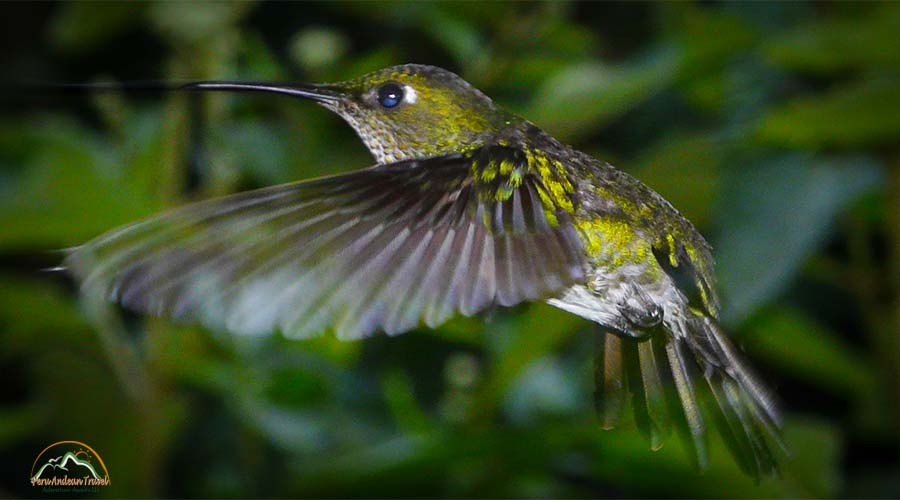
  • Fauna de Machu Picchu"Amazilia Andina"Andean Hummingbird.
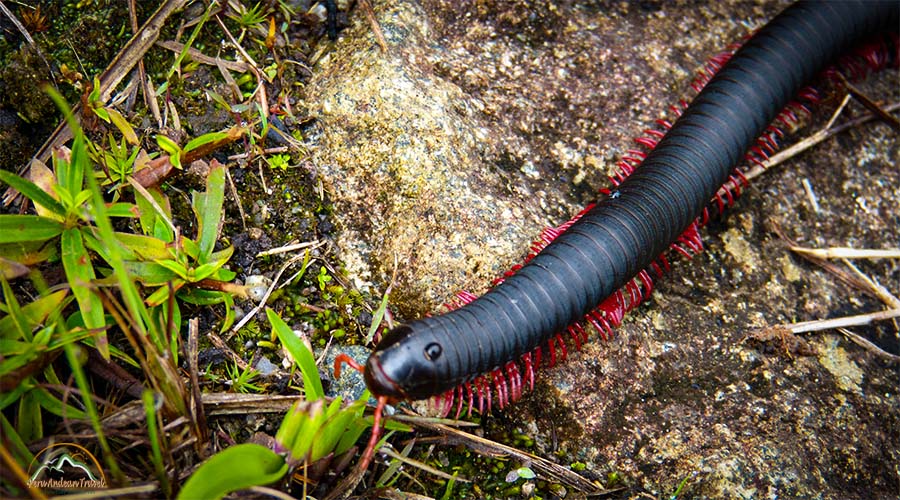
  • Fauna de Machu Picchu"Narceus americanus "Giant American Millipede.
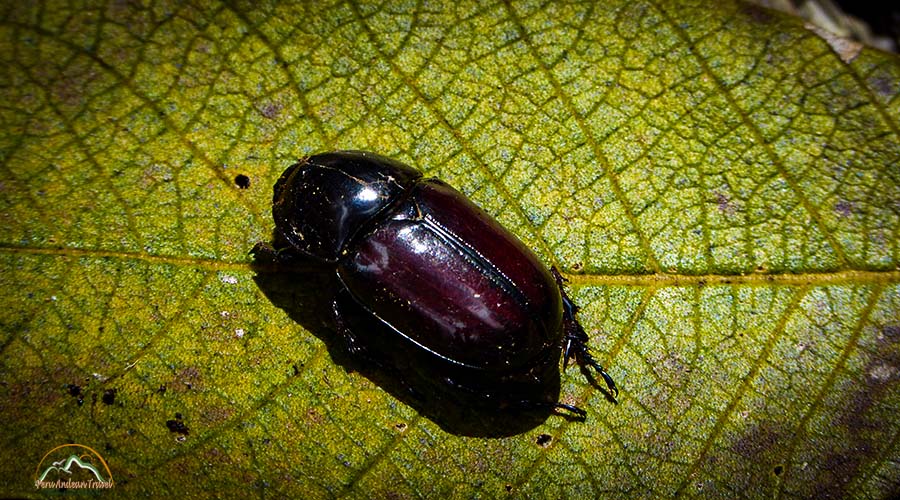
  • Fauna de Machu Picchu"Strategus hipposideros"Beetle.
  • Fauna de Machu Picchu"Colibri coruscans"Siwar Q´ente.
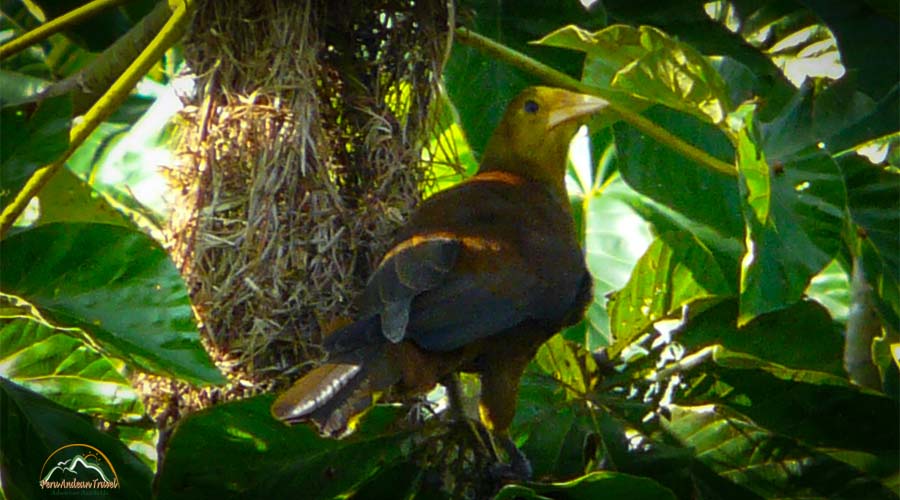
  • Fauna de Machu Picchu"Psarocolius angustifrons"Golden oriole.
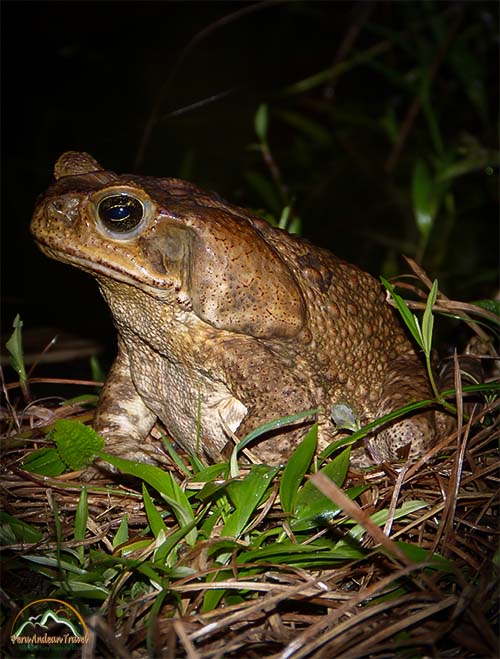
  • Fauna de Machu Picchu"Bufo marinus"Giant toad.
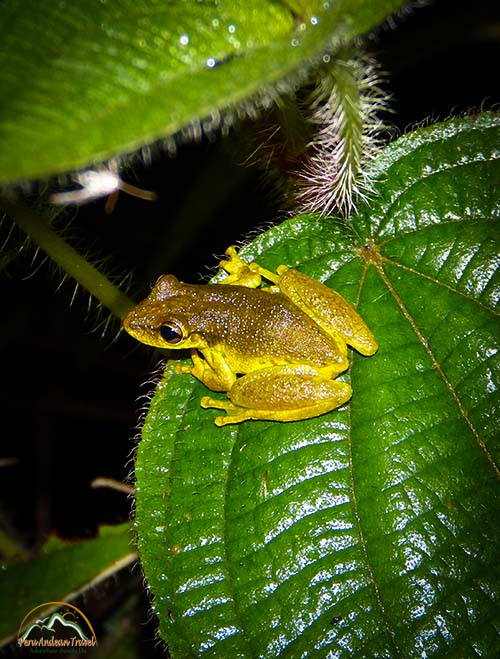
  • Fauna de Machu Picchu"Scinax ictericu"Tree frog.
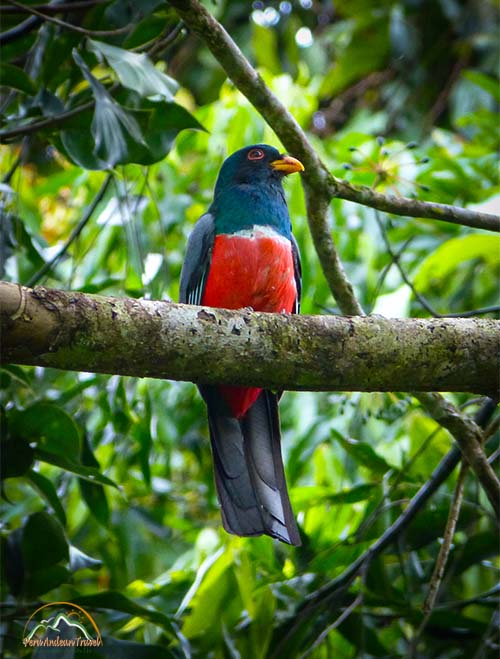
  • Fauna de Machu Picchu"Trogon mesurus"Trogon.
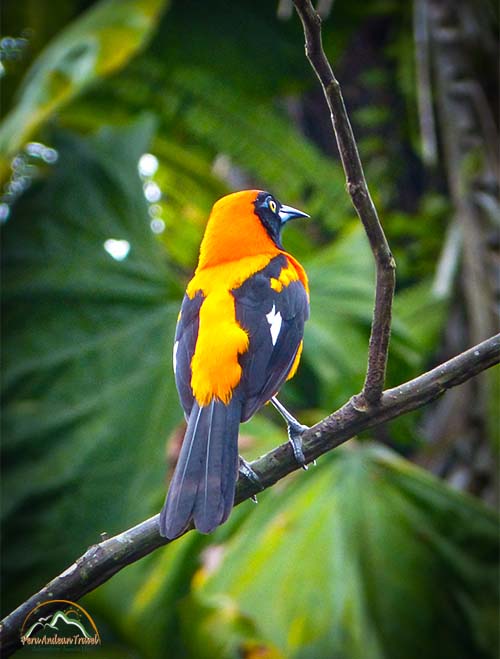
  • Fauna de Machu Picchu"Icterus croconotus"Matico.

Discover the flora and fauna in Machu Picchu!
You like me? !Share it!

Leave us your comment

Connect with us:

Frequently Asked Questions

What is the best time to visit Machu Picchu?

The best time to visit Machu Picchu is during the dry season, which lasts from April to October. During these months, the weather is sunny and pleasant, making it perfect for hiking and exploring the ruins. However, be aware that it can be crowded, especially in June, July, and August. The rainy season from November to March is less crowded but can be more challenging due to wet conditions.

How long does it take to explore Machu Picchu?

It typically takes about 2 to 3 hours to explore the main areas of Machu Picchu. However, if you plan to hike additional trails like Huayna Picchu or Machu Picchu Mountain, you should allocate an extra 2 to 3 hours for each hike. To fully appreciate the site and enjoy the views, we recommend spending at least half a day there.

What is the cost of admission to Machu Picchu?

As of 2025, the standard entrance fee for Machu Picchu is around 152 soles for adults. If you want to hike Huayna Picchu or Machu Picchu Mountain, there are additional fees ranging from 60 to 80 soles. It's important to buy tickets in advance, especially during peak tourist seasons.

How do I get to Machu Picchu?

The most common way to reach Machu Picchu is by train. You can take a train from Ollantaytambo or Poroy to Aguas Calientes, the town at the base of Machu Picchu. From Aguas Calientes, buses run every 10 minutes to the entrance of the site. Alternatively, adventurous travelers can trek the Inca Trail or other hiking routes, but these require advanced planning and permits.

Can I visit Machu Picchu without a guide?

Yes, you can visit Machu Picchu without a guide. However, it is highly recommended to hire a licensed guide to enhance your experience. Guides provide valuable historical, cultural, and archaeological insights that will help you better understand the significance of the site. You can also explore the ruins independently, but hiring a guide will give you a deeper appreciation of Machu Picchu's history.

What are the hiking options at Machu Picchu?

Machu Picchu offers several hiking options, including the popular Huayna Picchu, which provides breathtaking views of the entire site, and the Machu Picchu Mountain, which is higher and less crowded. Both hikes require separate tickets. There are also other trails such as the Inca Trail, Salkantay Trek, and Lares Trek, which take several days and require advance booking.

Is it safe to visit Machu Picchu?

Yes, Machu Picchu is generally considered safe for visitors. The Peruvian government has invested in maintaining and protecting the site, and it is patrolled by security personnel. However, as with any popular tourist destination, it's important to remain cautious of your personal belongings and avoid straying off marked paths. Additionally, the weather can be unpredictable, so make sure to be prepared for rain or sun.

What is the best way to prepare for high altitudes at Machu Picchu?

Machu Picchu is located at an altitude of 2,430 meters (7,970 feet) above sea level, which can cause altitude sickness for some visitors. To prepare, it's advisable to spend a couple of days in Cusco or the Sacred Valley to acclimatize before heading to Machu Picchu. Drink plenty of water, avoid alcohol, and eat light meals. If you experience symptoms of altitude sickness, it's important to rest and seek medical attention if necessary.

What should I bring to Machu Picchu?

When visiting Machu Picchu, it’s important to bring comfortable clothing and shoes suitable for walking. A hat, sunscreen, and sunglasses are essential for sun protection, as well as a rain poncho in case of rain. Don’t forget to bring your camera, a water bottle, and a light snack. Also, remember that large bags and tripods are not allowed inside the site, so pack lightly.

Can I take children to Machu Picchu?

Yes, children can visit Machu Picchu, and it can be an exciting experience for them. However, be prepared for the amount of walking involved, especially if you're planning to hike one of the nearby mountains. Children under 8 years old enter for free, but they still need a ticket. It's recommended to plan your visit with children in mind by taking breaks and ensuring they are well hydrated and properly clothed.